
How to Plan a Successful Corporate Offsite: The Complete Checklist
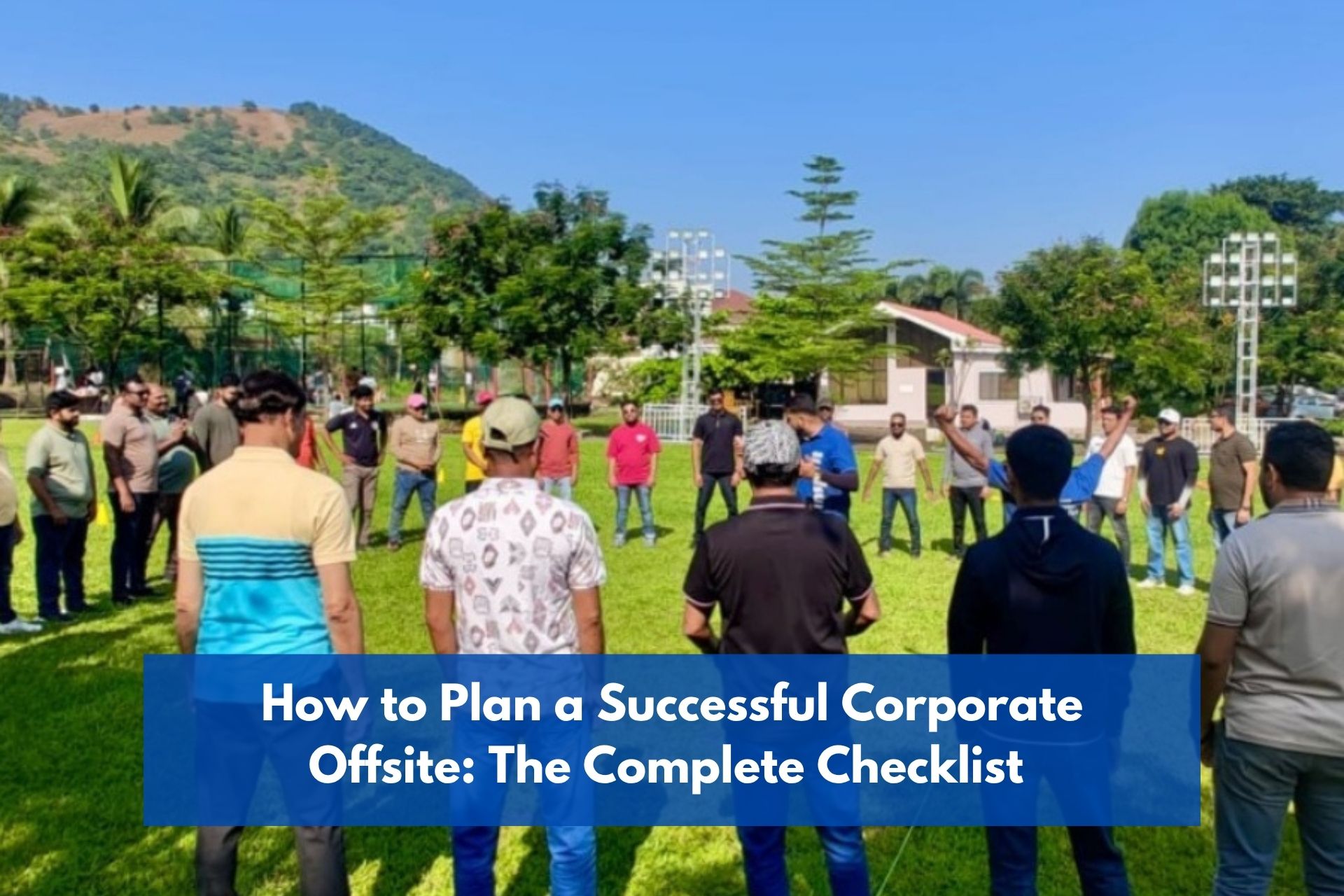
A great corporate offsite isn’t just about stepping away from the office it’s about bringing teams closer, inspiring fresh ideas, and creating experiences that strengthen workplace connections. When planned with purpose, an offsite can improve collaboration, boost morale, and help employees align with shared business goals.
Table of Contents
ToggleBut creating a truly impactful offsite requires more than choosing a destination. From setting clear objectives to managing logistics and engagement activities, every element matters. This complete checklist will help you plan a seamless, memorable, and results-driven corporate offsite that leaves a lasting impact on your team.
What Is a Corporate Offsite and Why Does It Matter?
A corporate offsite is a planned event where employees, teams, or company leaders gather outside their regular workplace to focus on specific business objectives, team development, strategic discussions, or employee engagement activities. Unlike routine office meetings, offsites provide a refreshing environment that encourages open communication, collaboration, creativity, and stronger interpersonal relationships.
Corporate offsites matter because they help organizations achieve goals that are often difficult to accomplish within the daily demands of the workplace. By bringing employees together in a new setting, companies can strengthen team bonds, improve cross-functional collaboration, align everyone with business objectives, and boost overall morale.
1. Corporate Offsite Planning Checklist
A successful corporate offsite requires careful planning, clear objectives, and seamless execution. Use this checklist to ensure every aspect of your event contributes to meaningful business outcomes and a memorable employee experience.
2. Define the Purpose and Objectives
Before making any arrangements, identify why you’re organizing the offsite. Whether the goal is strategic planning, team building, leadership development, employee engagement, or celebrating company achievements, having clear objectives will guide every decision and help measure success after the event.
3. Set a Realistic Budget
Establish a budget that covers venue costs, accommodation, transportation, meals, activities, event materials, and contingency expenses. A well-defined budget helps prevent overspending while ensuring the experience meets employee expectations and organizational goals.
4. Choose the Right Destination and Venue
Select a destination that aligns with your objectives and is easily accessible for participants. The venue should offer suitable meeting spaces, comfortable accommodation, reliable amenities, and opportunities for team-building or recreational activities.
5. Finalize Dates and Duration
Choose dates that minimize disruption to business operations and maximize attendance. Consider seasonal factors, employee availability, travel requirements, and the ideal duration needed to achieve your goals without causing fatigue.
6. Plan the Agenda
Create a balanced schedule that combines business sessions, collaborative workshops, networking opportunities, and leisure activities. A well-structured agenda keeps participants engaged while ensuring key objectives are achieved.
7. Organize Team-Building Activities
Team-building activities play a key role in making a corporate offsite both engaging and impactful. Include activities that encourage collaboration, communication, problem-solving, and trust among team members while aligning with your offsite objectives.
From adventure-based challenges and leadership exercises to interactive workshops and fun group games, the right activities can strengthen team bonds, boost employee morale, and create meaningful experiences that extend beyond the event itself.
8. Arrange Travel and Accommodation
Coordinate transportation, room allocations, check-in procedures, and travel itineraries well in advance. Smooth logistics contribute significantly to the overall participant experience and reduce the likelihood of last-minute disruptions.
9. Prepare Technology and Event Resources
Ensure all required equipment, presentation tools, internet connectivity, audio-visual systems, and meeting materials are available and tested before the event begins. Technical issues can quickly impact productivity and engagement.
10. Prioritize Employee Comfort and Well-Being
Consider dietary preferences, accessibility requirements, health and safety measures, and work-life balance throughout the event. Employees are more likely to participate actively when they feel comfortable and supported.
11. Communicate Expectations Clearly
Share event details, objectives, schedules, travel information, and participation guidelines well in advance. Clear communication helps employees prepare effectively and builds excitement before the offsite begins.
12. Develop a Contingency Plan
Prepare for unexpected situations such as weather disruptions, travel delays, medical emergencies, or venue-related issues. Having backup plans in place helps ensure the event remains successful regardless of unforeseen challenges.
13. Gather Feedback and Measure Success
After the offsite, collect feedback from participants and evaluate outcomes against the original objectives. Understanding what worked well and what can be improved provides valuable insights for future corporate offsites and employee engagement initiatives.
Engaging Team-Building Activities for a Successful Corporate Offsite
The Big Picture
A highly engaging activity where teams work together to create a larger masterpiece, reinforcing collaboration, communication, and a shared vision. It is ideal for organizations looking to strengthen teamwork and align employees with common goals.
Treasure Trails
An exciting outdoor challenge that combines problem-solving, teamwork, and adventure. Teams follow clues and complete tasks together, making it perfect for boosting engagement and team bonding during an offsite.
Rescue Mission
This action-oriented activity requires participants to work collectively to overcome challenges and achieve a common objective. It helps build trust, collaboration, and effective communication among team members.
Djembe Drum Circle
A unique and energetic experience that brings teams together through rhythm and music. It demonstrates the power of synchronization, active listening, and working together toward a shared outcome.
Outdoor Team Games
One of the most popular choices for corporate offsites, these activities encourage teamwork, leadership, strategic thinking, and healthy competition while keeping participants active and engaged.
VR Murder Mystery
A modern and immersive team-building experience where participants solve a mystery together. It enhances critical thinking, collaboration, and problem-solving in a fun and interactive way.
Shuffle Painting
A creative team activity that allows employees to contribute to a shared artwork. It encourages innovation, teamwork, and the idea that every contribution matters to the final result.
Common Corporate Offsite Planning Mistakes to Avoid
Mistake 1: Lack of Clear Objectives
One of the biggest mistakes is planning an offsite without defining its purpose. Whether the goal is team building, strategic planning, leadership development, or employee engagement, having clear objectives ensures that every activity and session contributes to meaningful outcomes.
Mistake 2:Choosing the Wrong Venue
Selecting a venue based solely on cost or popularity can negatively impact the overall experience. The location should align with the offsite’s goals, offer suitable facilities, and provide a comfortable environment for both work and recreation.
Mistake 3:Ignoring Employee Preferences
Failing to consider employee interests, fitness levels, dietary requirements, and accessibility needs can reduce participation and engagement. An inclusive offsite ensures that everyone feels comfortable and involved.
Mistake 4:Neglecting Team-Building Activities
Focusing only on business discussions can make the offsite feel like a regular workday. Purposeful team-building activities help strengthen relationships, improve collaboration, and create memorable experiences.
Mistake 5:Inadequate Logistics Planning
Last-minute travel arrangements, accommodation issues, or technical problems can disrupt the event. Proper planning and coordination are essential to ensure a smooth and stress-free experience.
Mistake 6:Skipping Feedback and Follow-Up
Many organizations end the offsite without evaluating its impact. Collecting feedback and reviewing outcomes helps measure success, identify areas for improvement, and maximize the value of future corporate offsites.
Turn Your Corporate Offsite into a Meaningful Team Experience
A well-planned corporate offsite is more than just an event it’s an opportunity to strengthen team relationships, align employees with business goals, and create lasting memories that drive organizational success.
If you’re looking to organize a seamless and impactful offsite experience, Inspirit can help you with end-to-end planning, engaging activities, and carefully curated corporate offsite and team outing venues in Mumbai. Get in touch with our team today and create an unforgettable corporate offsite that inspires collaboration, innovation, and growth.
Recent Posts

Fun Friday Games and Activities for Corporate Employees

Fun and Engaging Dussehra Activities for Office Employees
All Categories
Team Outings Across India’s top Destinations
Mahabaleshwar
Lonavala
Karjat
Alibaug
Igatpuri
Goa
North Goa
South Goa
Gurgaon
Manesar
Pondicherry
Mahabalipuram
Coorg
Mysore
Coimbatore
Munnar
Kochi
Kovalam
Thiruananthpuram
Silvassa
Daman
Diu
Surat
Ahemdabad
Vadodara
Palghar
Dahnu
Wai
Jaipur
Udaipur
Jaisalmer
Agra
Dehradun
Mussorrie
Jim Corbett
Rishikesh
Haridwar
Dalhousie
Dharamshala
Chandigarh
Amritsar
Puri Odissa
Ooty