
The Importance of Team Building Activities in Modern Workplaces
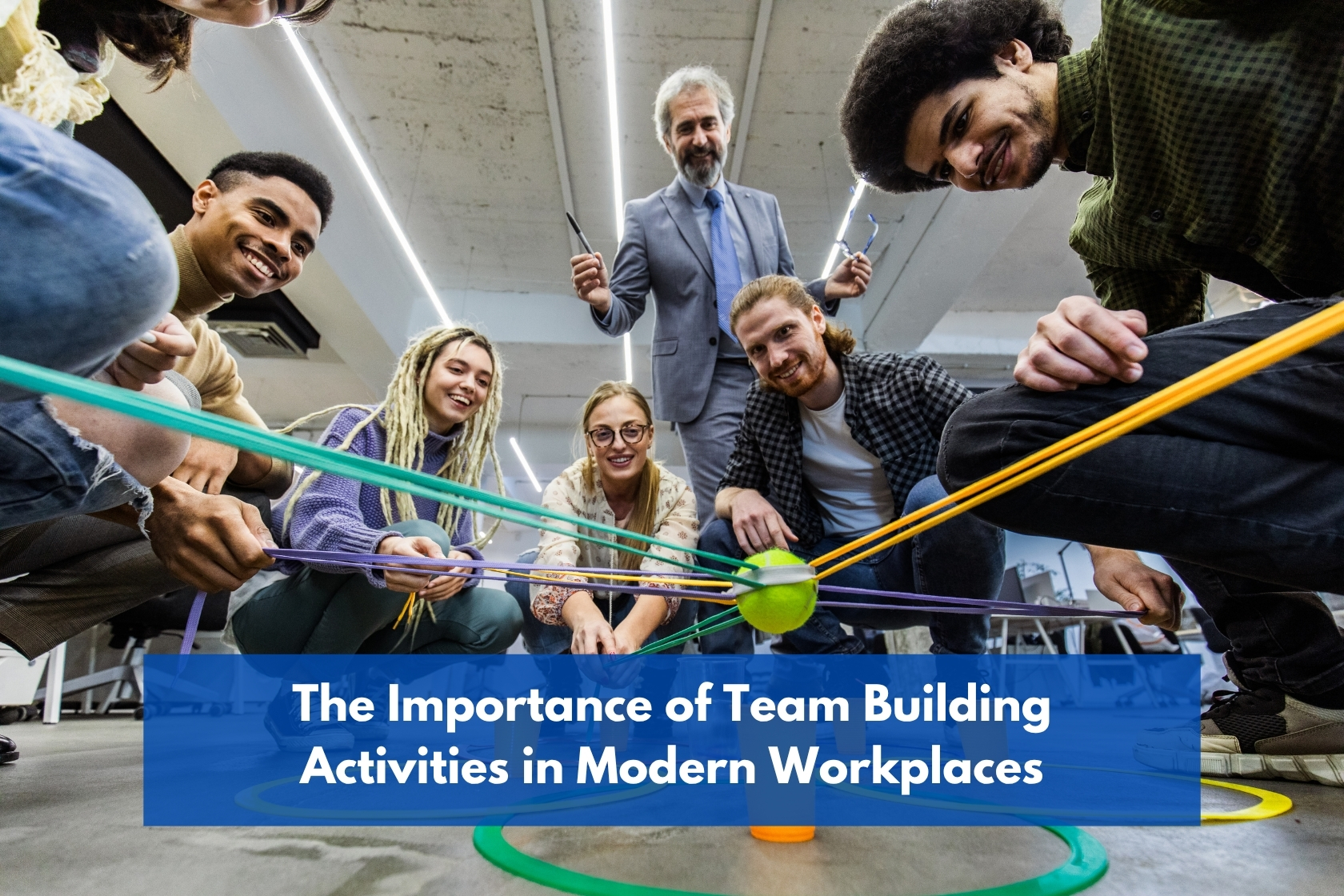
What separates a high-performing team from a group of employees simply working under the same roof? Why do some organizations consistently achieve their goals, adapt to change with confidence, and maintain a positive work culture, while others struggle with communication gaps and lack of collaboration?
Table of Contents
ToggleThe difference often comes down to how well employees connect, communicate, and work together. No matter the size of an organization, success depends on people being able to share ideas, solve problems collectively, and support one another in achieving common objectives.
This level of collaboration doesn’t happen by chance. It is built through trust, mutual understanding, and strong workplace relationships. Team building activities provide the foundation for these connections by bringing employees together in meaningful and engaging ways.
From improving communication and boosting morale to encouraging innovation and strengthening company culture, team building activities play a vital role in helping organizations create motivated, productive, and united teams. Understanding their importance is essential for any business looking to achieve sustainable growth and long-term success.
Understanding Team Building
Team building is the process of bringing employees together to improve communication, strengthen relationships, and encourage collaboration. It helps individuals understand each other’s strengths, work styles, and perspectives, making it easier to work toward common goals. Effective team building creates a sense of trust and unity, which are essential for a productive workplace.
More than just fun activities or corporate outings, team building is a valuable investment in employee development and organizational success. By fostering cooperation and mutual understanding, it helps create a positive work culture where employees feel connected, engaged, and motivated to perform at their best.
Purpose and Importance of Team Building Activities at Work
Improves Communication: Effective communication is essential for any successful team. Team building activities encourage employees to express their ideas, listen to others, and communicate more openly. This helps reduce misunderstandings and improves collaboration in the workplace.
Encourages Collaboration: Many activities require participants to work together to achieve a common goal. This helps employees learn how to cooperate, share responsibilities, and leverage each other’s strengths, resulting in better teamwork at work.
Boosts Employee Morale and Engagement: Employees who feel connected to their colleagues and workplace are often more motivated and engaged. Team building activities create enjoyable experiences that help employees feel valued, appreciated, and enthusiastic about their work.
Enhances Problem-Solving Skills: Many team-building exercises involve challenges that require critical thinking and creative solutions. These activities help employees develop problem-solving skills while learning how to work together under different situations.
Creates a Positive Workplace Culture: A positive work culture encourages employees to collaborate, support one another, and contribute to shared goals. Team building activities help reinforce these values and create a more inclusive and supportive workplace environment.
Supports Organizational Success: By improving communication, collaboration, and employee engagement, team building activities contribute directly to business growth and long-term success. Strong teams are better equipped to achieve organizational goals and adapt to changing workplace demands.
Team Building in Different Workplace Models
Team Building for In-Office Teams
Employees working from the same location interact regularly, but daily work pressures can sometimes limit meaningful collaboration. Team-building activities such as outdoor challenges, indoor games, and experiential learning programs help strengthen relationships, improve communication, and create a more connected workplace culture.
Team Building for Remote Teams
Remote employees often face challenges such as limited face-to-face interaction and feelings of isolation. Virtual team-building activities, online engagement sessions, and interactive challenges help employees stay connected, build trust, and maintain a strong sense of teamwork regardless of their location.
Team Building for Hybrid Teams
Hybrid workplaces combine both remote and in-office employees, making team cohesion more challenging. Well-designed team-building activities ensure that all employees feel included, encourage collaboration across locations, and help maintain a unified company culture despite different working arrangements.
Team Building for Cross-Functional Teams
Cross-functional teams consist of employees from different departments working together on shared projects. Team-building activities help break down departmental barriers, improve communication, and encourage knowledge sharing, resulting in better collaboration and project outcomes.
Team Building for Leadership Teams
Leadership teams play a critical role in guiding an organization. Specialized team-building activities help leaders strengthen decision-making, improve strategic thinking, and develop stronger working relationships, enabling them to lead more effectively and drive organizational success.
Types of Team Building Activities That Actually Work
1. Outdoor Team Building Games
Outdoor activities encourage employees to step out of their comfort zones and work together in a dynamic environment. These games focus on collaboration, communication, leadership, and problem-solving while creating memorable experiences for participants.
2. Indoor Team Building Games
Indoor team-building activities are ideal for organizations looking to strengthen teamwork within office spaces or conference venues. These engaging games help improve coordination, trust, and decision-making while ensuring active participation from all team members.
3. Treasure Trails
Treasure Trails combine fun, strategy, and teamwork as participants solve clues and complete challenges together. These activities encourage creative thinking, collaboration, and effective communication while keeping employees engaged throughout the experience.
4. VR Murder Mystery
VR Murder Mystery activity challenges teams to solve a mystery using observation, critical thinking, and teamwork. It promotes problem-solving, decision-making, and collaboration in an exciting and interactive format.
5. Djembe Drum Circle
A Drum Circle brings employees together through rhythm and music, creating a unique shared experience. It helps improve coordination, active listening, teamwork, and employee engagement while energizing the group.
6. Shuffle Painting
Shuffle Painting is a collaborative art activity where participants work together to create a large piece of artwork. It encourages creativity, cooperation, and team bonding while providing a fun and relaxing experience.
7. Fitness Workshops
Fitness-based team activities promote employee wellness while encouraging teamwork and participation. These workshops help reduce stress, improve energy levels, and foster stronger connections among employees.
8. Experiential Learning Activities
Experiential learning programs use hands-on challenges and simulations to develop communication, leadership, collaboration, and problem-solving skills. These activities provide practical learning experiences that employees can apply directly in the workplace.
9. Conference and Offsite Engagement Activities
Conference plug-ins, ice-breakers, and offsite team-building programs help keep participants engaged while reinforcing key organizational messages. These activities are designed to improve interaction, energize teams, and enhance the overall event experience.
Creating Long-Term Team Engagement Strategies
Successful team building is not achieved through a single event or annual outing. To maintain strong relationships and high employee engagement, organizations need a long-term approach that encourages continuous collaboration and interaction. Organizations can create long-term team engagement by conducting regular team-building activities. Combining workshops, experiential learning programs, outdoor activities, and employee engagement initiatives throughout the year helps strengthen workplace relationships and keeps teams actively engaged.
Key Strategies for Long-Term Team Engagement:
- Organize regular team-building activities and workshops.
- Encourage open and transparent communication.
- Recognize and reward employee achievements.
- Promote cross-functional collaboration among departments.
- Support employee well-being and work-life balance.
- Create opportunities for learning and skill development.
- Gather employee feedback and act on suggestions.
By making team engagement an ongoing priority rather than a one-time effort, organizations can build stronger teams, improve employee satisfaction, and create a workplace culture that supports long-term success.
Building Stronger Teams for Lasting Success
The most successful organizations understand that great results come from great teams. Investing in team building is an investment in stronger communication, higher engagement, and a more collaborative workplace.
Ready to transform your workforce into a more connected and high-performing team? investing in well-designed corporate team building activities in Mumbai can help bring employees together through engaging experiences that promote teamwork, leadership, and collaboration. Start planning your next team-building initiative and invest in the growth of your people and your organization.
Frequently Asked Questions
How often should companies organize team building activities?
The frequency depends on organizational goals, but most companies benefit from conducting team-building activities quarterly or throughout the year to maintain employee engagement and team cohesion.
Are team building activities effective for remote and hybrid teams?
Yes. Virtual and hybrid team-building activities help remote employees stay connected, improve collaboration, and foster a sense of belonging despite working from different locations.
What is the difference between team building and team bonding?
Team bonding focuses on strengthening personal relationships among employees, while team building is designed to improve workplace collaboration, communication, and team performance.
What should organizations consider when planning team building activities?
Organizations should consider their objectives, team size, employee preferences, budget, and desired outcomes to ensure the activities align with business goals and employee needs.
What is the main objective of team building activities?
The main objective of team building activities is to improve collaboration, strengthen relationships, and help employees work together more effectively toward shared goals.
Recent Posts

How to Make Your Group Outing More Fun and Engaging?


All Categories
Team Outings Across India’s top Destinations
Mahabaleshwar
Lonavala
Karjat
Alibaug
Igatpuri
Goa
North Goa
South Goa
Gurgaon
Manesar
Pondicherry
Mahabalipuram
Coorg
Mysore
Coimbatore
Munnar
Kochi
Kovalam
Thiruananthpuram
Silvassa
Daman
Diu
Surat
Ahemdabad
Vadodara
Palghar
Dahnu
Wai
Jaipur
Udaipur
Jaisalmer
Agra
Dehradun
Mussorrie
Jim Corbett
Rishikesh
Haridwar
Dalhousie
Dharamshala
Chandigarh
Amritsar
Puri Odissa
Ooty