How to Choose the Right Team-Building Program for Your Company in 2026
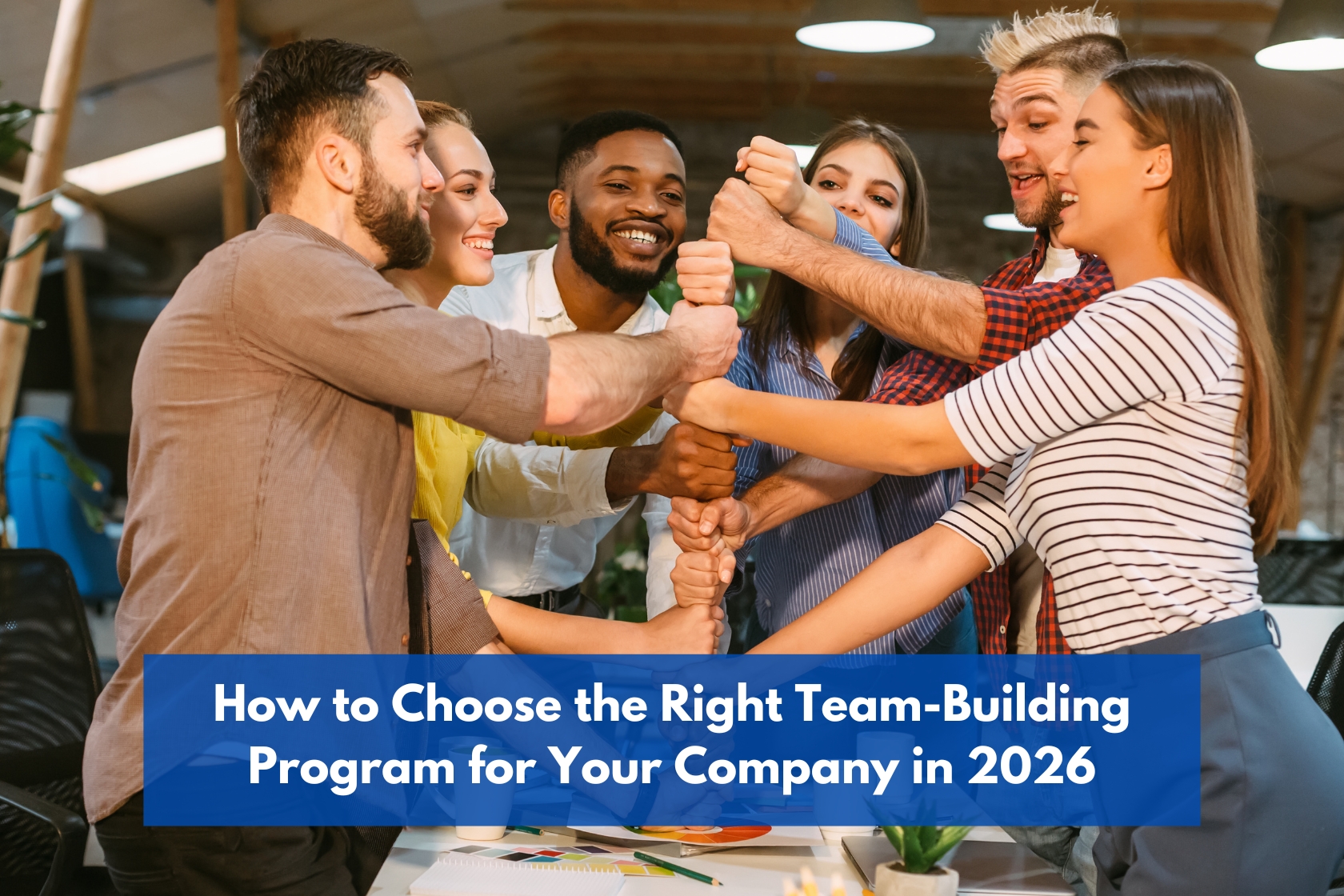
Table of Contents
ToggleSummary – Team-building in 2026 is a strategic tool that helps organizations strengthen communication, collaboration, trust, and employee engagement in evolving work environments. Choosing the right program aligned with company goals, team needs, and culture—ensures stronger connections, improved performance, and motivated, future-ready teams. In this blog, we will discuss how team-building has evolved in 2026, why it matters more than ever, and the key factors to consider when choosing the right team-building program to build stronger, more engaged, and high-performing teams.
Workplaces are evolving faster than ever, with new technologies, flexible work models, and changing employee expectations shaping how teams operate. Team-building is no longer limited to occasional fun activities; it has become a meaningful approach to strengthen communication, collaboration, and trust within teams. As organizations prepare for the future, choosing the right team-building program in 2026 plays a key role in building connected, motivated, and high-performing teams that align with company goals and culture.
Why Team-Building Matters More in 2026
Team-building has become more important in 2026 because the nature of work has changed. Many companies now operate with hybrid or remote teams, reducing everyday interaction and natural bonding among employees. This can lead to communication gaps, low engagement, and weaker team relationships if not addressed intentionally.
Workforces are also more diverse and multi-generational, with employees bringing different perspectives, work habits, and expectations. Team-building activities help create understanding, improve collaboration, and build trust across teams.
Additionally, companies are placing greater emphasis on employee well-being, engagement, and retention. Structured team-building programs help reduce workplace stress, improve morale, and make employees feel valued. With constant changes in technology and roles, team-building also supports adaptability, problem-solving, and leadership development, making teams more resilient and future-ready.
Important Factors to Keep in Mind When Choosing a Team-Building Program
1. Clear Objectives
Start by defining what you want to achieve through the program. This could include improving communication, building trust, encouraging collaboration, developing leadership skills, or boosting employee morale. When goals are clear, it becomes easier to choose activities that deliver real value rather than just short-term fun.
2. Team Size and Structure
Consider how many people will participate and how your teams are structured. Large teams may need structured activities with multiple facilitators, while smaller teams can benefit from deeper, discussion-based sessions. Also, account for whether your team works on-site, remotely, or in a hybrid model.
3. Employee Preferences and Comfort Levels
Every team is different. Some employees enjoy high-energy physical activities, while others prefer creative or problem-solving tasks. A good team-building program balances energy with comfort, ensuring everyone feels included and willing to participate.
4. Type of Activities
There are several types of team-building activities available, each designed to achieve different objectives.
- Outdoor Team Games – Physical and energetic challenges in open spaces that promote teamwork, problem-solving, and trust building
- Indoor Team Games – Fun interactive games played indoors to improve communication, strategy, and collaboration.
- Team Building Games – Fun, synergistic games focused on building team spirit, cooperation, and collective problem-solving.
- In-Office Engagement Activities – Customized activities and workshops you can do right at the workplace to boost morale and interaction.
- Employee Engagement Events – Programs that enhance employee happiness, morale, and a positive work culture through planned group activities.
- Conference Plug-ins & Ice Breakers – Quick, high-energy activities that fit into larger events like conferences to energize participants and foster connection.
5. Align the Program with Company Culture
The program should reflect your organization’s values, work style, and tone. A formal corporate environment may need structured learning-based activities, while a creative workplace may benefit from open-ended and experiential programs.
6. Budget and Time Planning
Set a realistic budget and decide how much time you can allocate. Half-day or full-day programs can offer deeper engagement, while shorter sessions work well for regular team check-ins. Focus on long-term value rather than just cost.
7. Choose Between Skill-Based and Experience-Based Programs
Team-building programs generally fall into two categories:
Skill-based programs focus on:
- Leadership development
- Problem-solving and strategic thinking
- Conflict management
- Communication and collaboration
Experience-based programs focus on:
- Engagement and bonding
- Stress relief and motivation
- Celebrating milestones
- Creating shared memories
8. Customization and Flexibility
Avoid generic, one-size-fits-all programs. Customized team-building activities that address your company’s specific challenges, industry demands, and team dynamics create stronger impact and better results.
9. Experience of Facilitators
Skilled facilitators play a critical role in the success of the program. Experienced trainers can manage group dynamics, encourage participation, handle challenges, and connect activities to real workplace situations.
10. Measurable Outcomes and Follow-Up
A strong team-building program doesn’t end with the activity. Look for programs that offer feedback, reflections, or follow-up sessions to help teams apply learnings to their daily work and measure real impact.
How Professional Team-Building Company Can Support Your Organization?
1. Improves Communication & Collaboration
Professional team-building companies create activities specifically designed to improve the way employees interact. These programs break down barriers between teams, encourage active listening, and foster open dialogue. By simulating real workplace challenges, they give employees opportunities to solve problems collaboratively, improving communication and teamwork that directly translates into daily work interactions..
2. Boosts Engagement & Morale
Team-building providers design engaging and enjoyable experiences that help employees step away from routine tasks. By offering a mix of fun challenges and interactive activities, these programs reduce stress, prevent burnout, and create a more positive work environment.
3. Develops Leadership & Identifies Talent
Through structured exercises and collaborative challenges, team-building companies help identify natural leaders and untapped talent within the organization. These activities give managers and emerging leaders opportunities to practice decision-making, delegation, and team management in a supportive setting.
4. Encourages Innovation & Creativity
Team-building programs encourage employees to think outside the box and approach problems from new perspectives. By stepping away from the usual work environment and engaging in creative challenges, participants learn to experiment, innovate, and adapt to unexpected situations.
5. Builds Trust & Strengthens Connections
Trust is the foundation of any high-performing team, and professional team-building programs are designed to cultivate it. Activities help employees understand each other’s working styles, appreciate individual strengths, and develop deeper interpersonal relationships.
6. Supports Remote & Hybrid Teams
With the rise of remote and hybrid work, team-building companies provide tailored virtual and hybrid programs, such as online games, virtual scavenger hunts, and interactive workshops. These initiatives keep geographically dispersed teams connected, engaged, and aligned, ensuring that distance does not hinder collaboration or team cohesion.
7. Provides Positive Reinforcement
Team-building activities often serve as a form of recognition for employees’ hard work. By highlighting achievements, offering praise, and providing a refreshing break from routine responsibilities, these programs boost confidence and motivation.
Key Tips for Making Your Team-Building Event Effective
To get the most out of your team-building program, keep these tips in mind:
Set Clear Goals: Know what you want to achieve, like better teamwork or leadership skills.
Know Your Team: Choose activities that suit your team’s size, energy, and preferences.
Promote Participation: Make everyone feel comfortable joining in.
Stay Flexible: Adjust activities as needed to keep the group engaged.
Reinforce Learnings: Follow up so lessons apply to daily work.
Recognize Contributions: Celebrate efforts and successes to boost morale.
Choosing the right team-building activities is more than just planning a fun day it’s about creating experiences that strengthen relationships, improve teamwork, and drive results. Professional team-building companies ensure that every program runs smoothly, delivers measurable outcomes, and leaves your team energized, connected, and ready to perform at their best.
Elevate Your Team with the Right Program
Choosing the right team-building program can transform your team’s communication, collaboration, and morale. Professional guidance ensures every activity delivers real impact and keeps employees engaged. If you’re looking to elevate your team’s potential and foster a culture of trust and innovation, exploring corporate team building workshops in Mumbai is a great place to start. For more information or to get started, you can call us at +91 9769630570 or email us at connect@inspirit.co.in.
Frequently Asked Questions
What is team building, and why is it important?
Team building strengthens communication, trust, collaboration, and engagement, helping teams perform better, especially in hybrid or remote setups.
How are programs tailored to company needs?
Providers customize activities based on your goals, team size, and challenges for maximum impact.
What makes a program effective?
A successful program is customized, led by skilled facilitators, aligned with company culture, and connects activities to real workplace challenges for lasting impact.
How often should companies organize team-building events?
Frequency depends on team needs—quarterly or biannual programs work well for engagement, while short monthly activities can maintain connection in remote teams.
How can team-building support employee well-being?
Fun, engaging activities reduce stress, boost morale, and promote mental wellness by giving employees a break from routine tasks and encouraging social connection.
Recent Posts

How to Make Your Group Outing More Fun and Engaging?


All Categories
Team Outings Across India’s top Destinations
Mahabaleshwar
Lonavala
Karjat
Alibaug
Igatpuri
Goa
North Goa
South Goa
Gurgaon
Manesar
Pondicherry
Mahabalipuram
Coorg
Mysore
Coimbatore
Munnar
Kochi
Kovalam
Thiruananthpuram
Silvassa
Daman
Diu
Surat
Ahemdabad
Vadodara
Palghar
Dahnu
Wai
Jaipur
Udaipur
Jaisalmer
Agra
Dehradun
Mussorrie
Jim Corbett
Rishikesh
Haridwar
Dalhousie
Dharamshala
Chandigarh
Amritsar
Puri Odissa
Ooty